
Få ett citat
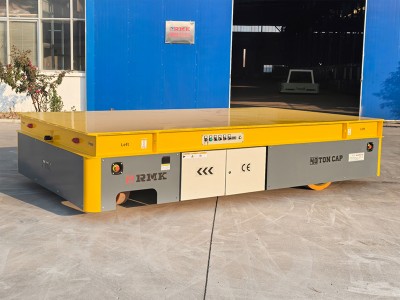
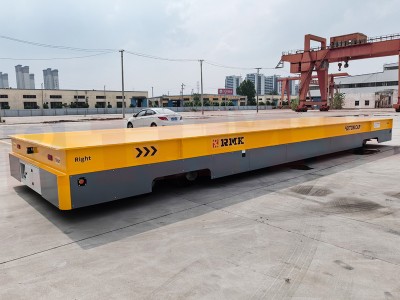
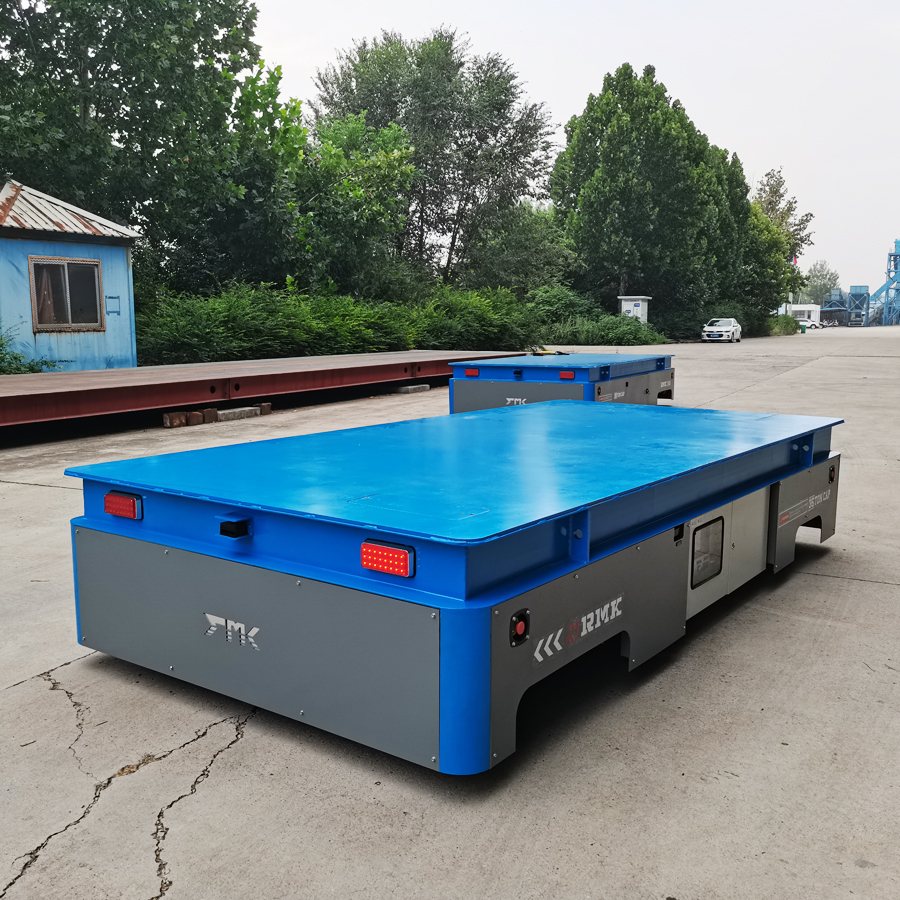
Customized trackless transfer carts do not rely on rails and offer high maneuverability and flexibility, making them more suitable for material handling across multiple workshops. They are widely used to transport molds, coils, billets, and other large, heavy loads. These carts are well received by users and have been exported to many countries, including the United States, Italy, Singapore, Poland, the Netherlands, Mexico, Saudi Arabia, the Czech Republic, Sri Lanka, and Mongolia.
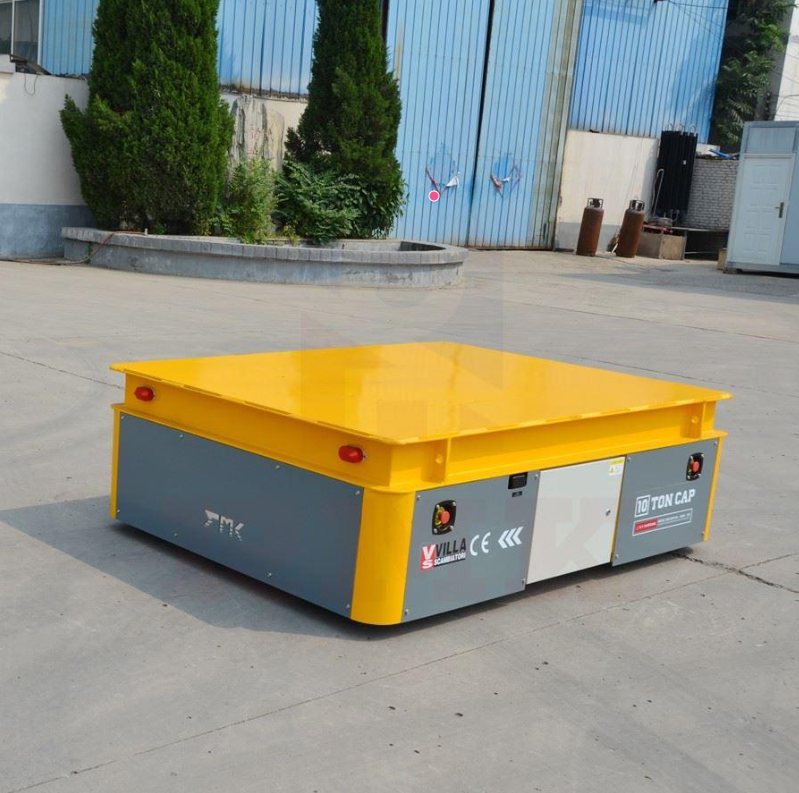 Light · 5–20 t
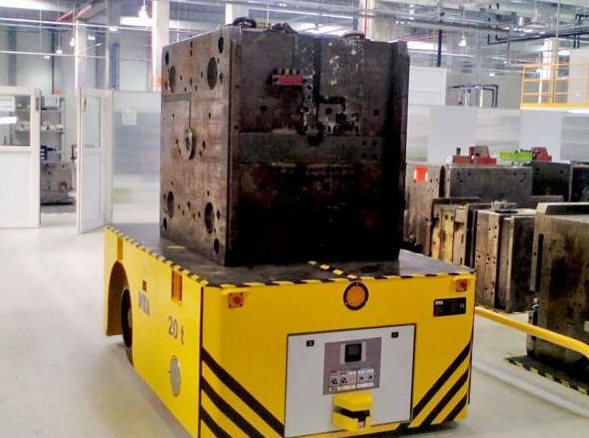 Standard · 20–60 t
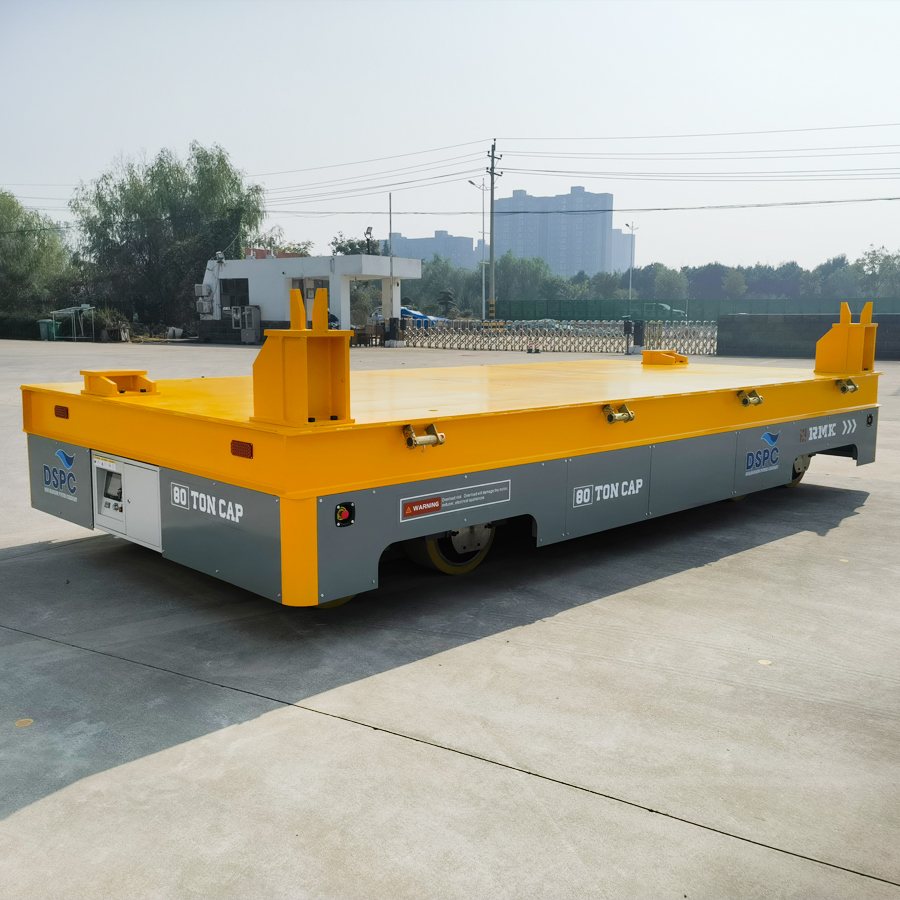 Heavy · 60–100 t
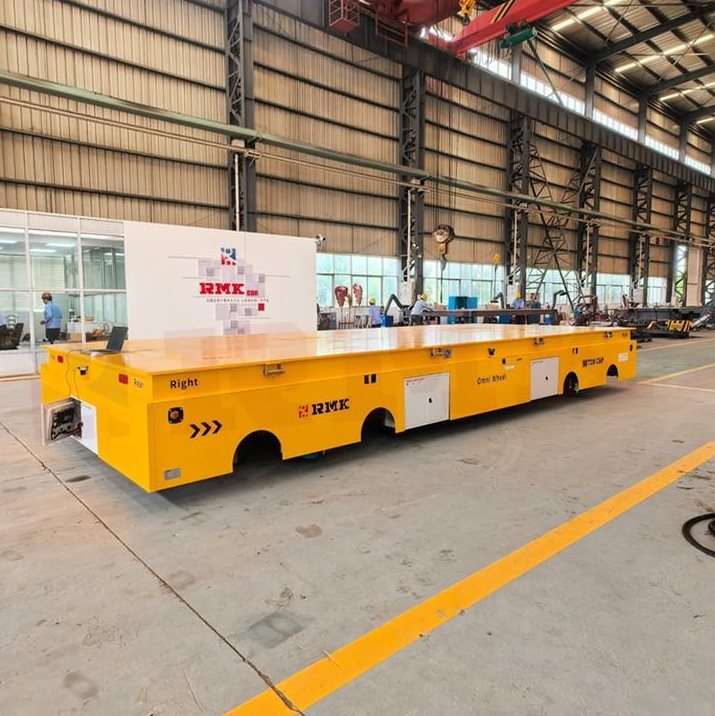 Extra · 100–300 t
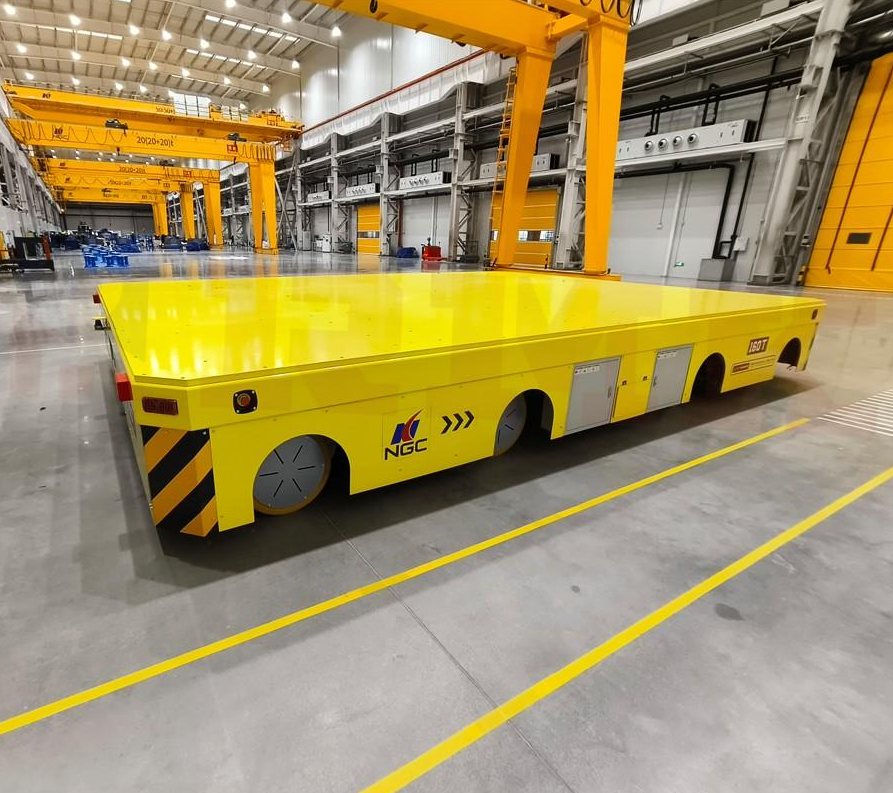 Omni · 1–150 t
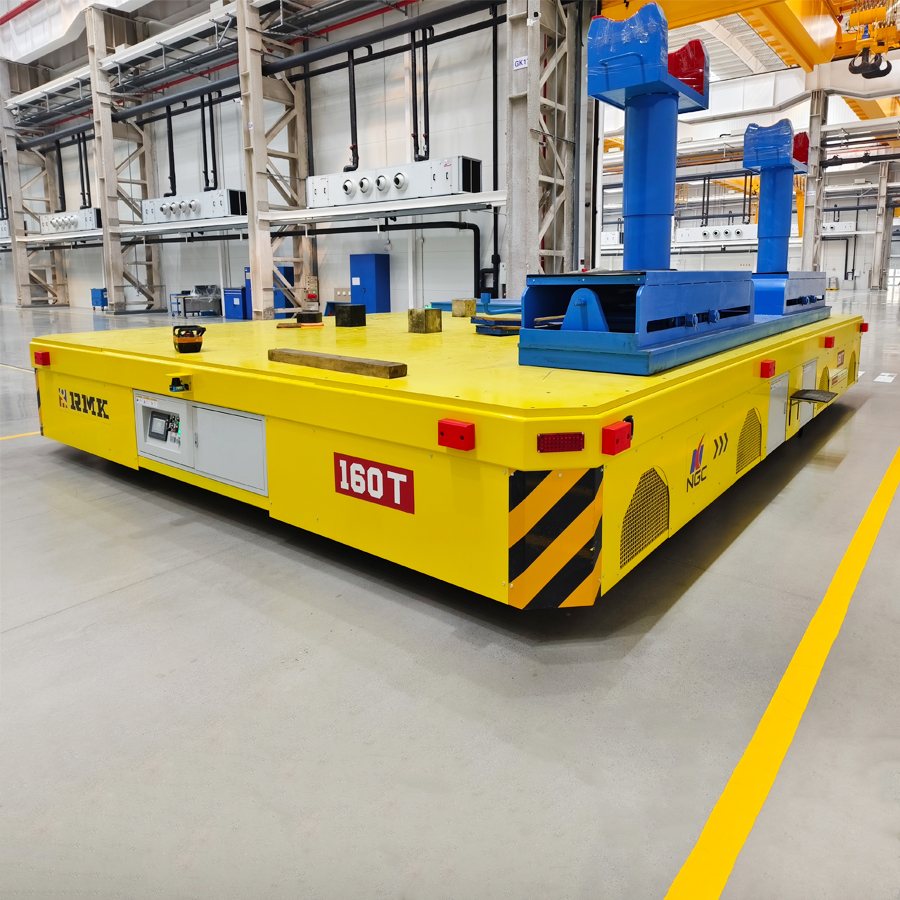 Delivered · 160 t
Spec before price · what the quote does not show
Two quotes at the same capacity look alike on paper. What separates them is wheel load, aisle width and battery duty — the three things that decide whether the cart still works in year three.
What gets optimised
Price per tonTwo quotes at 50 t rarely look different on paper. The deck, the wheel count and the steering type are where the cost actually sits.
Where it goes wrong
Wheel load, aisle and shiftA 50 t cart on four wheels puts far more pressure on a slab than the same load on eight. Narrow aisles and two-shift duty break specs that looked fine in a spreadsheet.
Our standard
Calculated, then quotedWe calculate wheel load, turning geometry and battery duty before quoting — and we will say when a rail cart or an AGV is the better purchase.
Design & build · what holds up after a year
These seven points are what customers actually notice after a year of use — the deck stays flat, the wheels do not chew the floor, and the motor is still a serviceable item rather than a sealed unit.
Ps:Depending on your specific needs,our transfer carts/trolleys could be installed Various types of functions and devices.
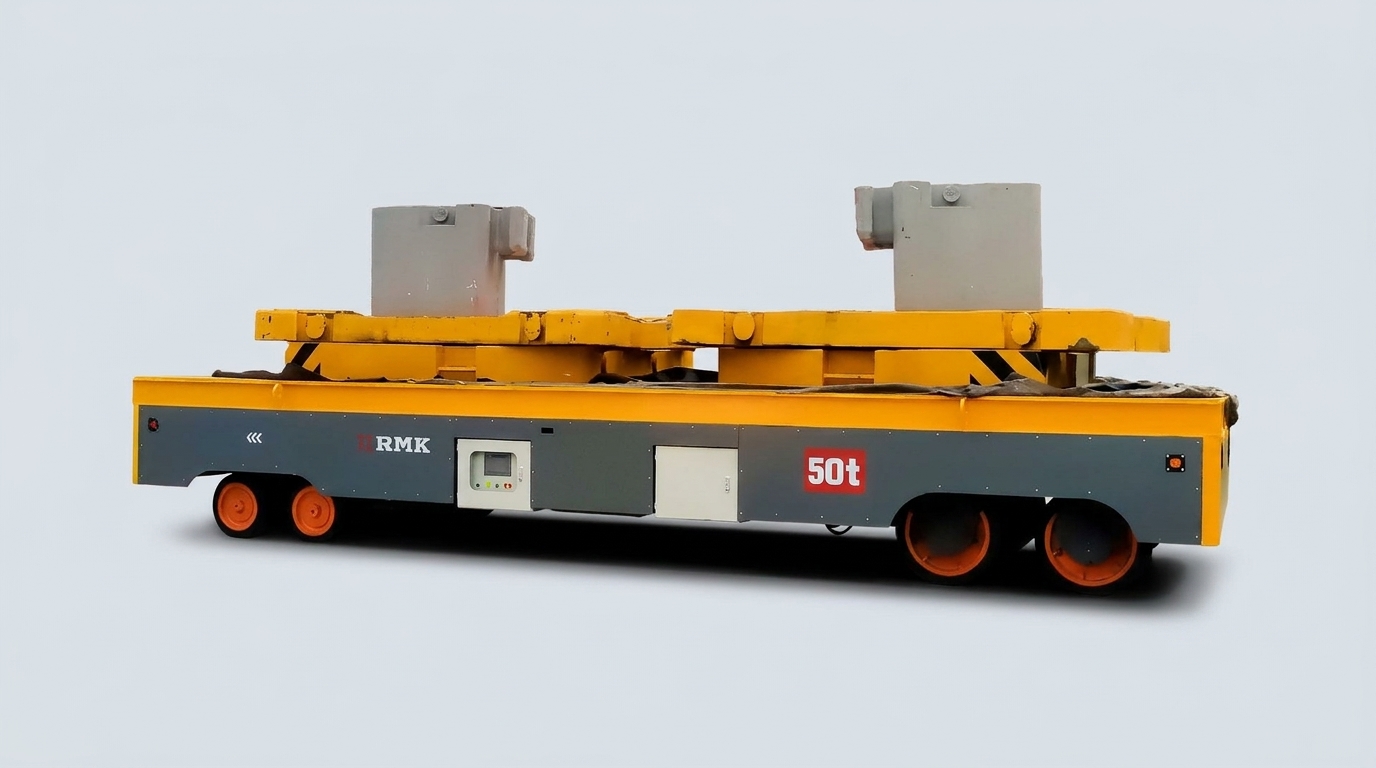 Electric cabinetReducerLarge-capacity batteryTurn signal & warning lightHoisting portCharging portSolid rubber tireBox girder frameEmergency stop switch
Configuration · deck & handling options
Hover or click a module, leader line or card to highlight — click again to clear.
Deck structure, lifting and handling devices are the three things customers most often change. These four options cover most requests — anything outside them is drawn up as a project modification.
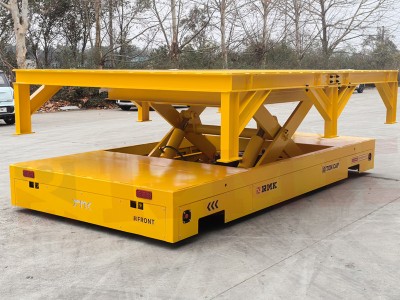
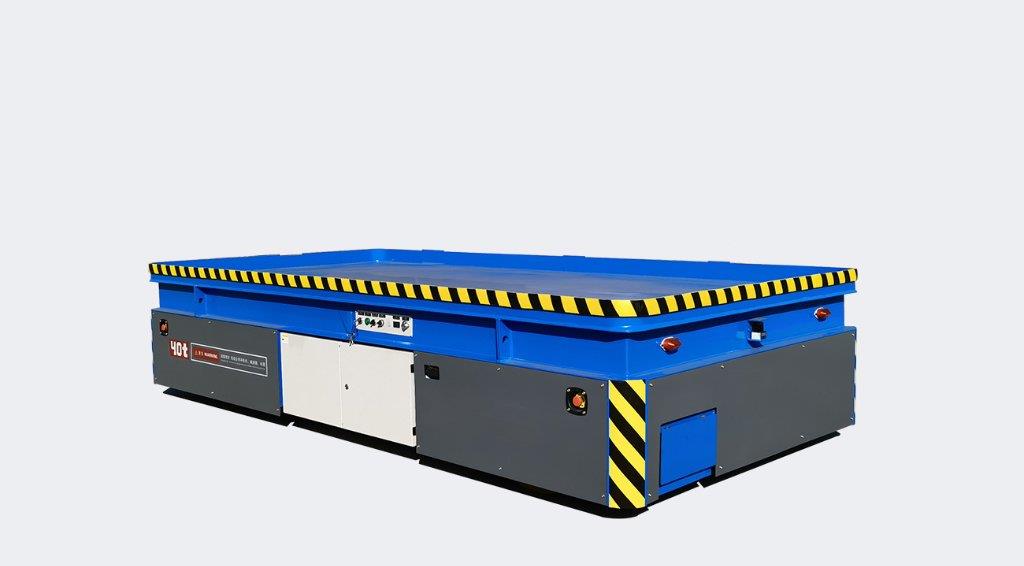 Lifting system for lifting and overturningU-shaped or V-shaped countertop structureAntiskid high-temperature countertopRoller bracket and clamping device

Hydraulic scissor or articulated platform for vertical elevation and load overturning.

Custom U/V cradle deck that holds coils, pipes or shafts without fixtures.

Heat-resistant checkered steel or refractory deck for hot workpieces.

Adjustable roller supports plus hydraulic or mechanical clamps for rotating or stabilising loads.
Specifications · at a glance
Ten numbers decide most of the conversation. The full 20-row table with all ten load columns is further down and is unchanged from the current page.
| Parameter | Standard range |
|---|---|
| Rated capacity | 5 / 10 / 15 / 20 / 30 / 40 / 50 / 60 / 80 / 100 t standard · up to 300 t custom |
| Deck size (L×W×H) | 2400×1500×470 mm — 6000×3000×1000 mm |
| Deck height | 470–1000 mm · ground clearance ≥50 / ≥100 mm |
| Turning radius | ≈2200–9000 mm, depending on capacity and steering |
| Steering | Differential · hydraulic · steering-wheel omni |
| Travel speed | 25 m/min (differential) · 20 m/min (hydraulic) |
| Battery | Lead-acid or lithium, 5.5–45.3 kWh · 4–5 h runtime · ≤7 h / ≤5 h charge |
| Wheels | 4 / 6 / 8 · steel core + polyurethane · Ø360–Ø600 mm |
| Climbing | 5% (differential) · 3% (hydraulic), full load |
| Environment | −10 °C to 40 °C · 20–80% RH non-condensing |
Technical parameters · full RWP table
Standard RWP range, 5–100 t. Anything outside it — 100–300 t, non-standard decks, high-temperature or explosion-proof builds — is quoted from a site survey.
Download the RWP catalogue (PDF) ↓| Technical Parameters Table Of RWP Trackless Electric Transfer Cart | |||||||||||
| Rated Load Capacity(t) | 5 | 10 | 15 | 20 | 30 | 40 | 50 | 60 | 80 | 100 | |
| Table Size(mm) | Length | 2400 | 2700 | 2700 | 3000 | 3500 | 4000 | 4500 | 5000 | 6000 | 6000 |
| Width | 1500 | 1800 | 1800 | 2000 | 2200 | 2000 | 2200 | 2500 | 3000 | 3000 | |
| Height | 470 | 550 | 600 | 700 | 700 | 800 | 900 | 1000 | 1000 | 1000 | |
| Ground Clearance(mm) | ≥50 | ≥100 | |||||||||
| Turning Radius(mm) | 2200 | 2500 | 2500 | 2800 | 3300 | 6000 | 6800 | 7500 | 9000 | 9000 | |
| Steering mode | Differential Steering | Hydraulic Steering | |||||||||
| Operation Method | Remote Control & Hand Operate Pendant | ||||||||||
| Move Way | Forward,backward, turning while driving with no stop,and 360° rotation | Forward,backward, turning while driving with no stop | |||||||||
| Running Speed(m/min) | 25 | 20 | |||||||||
| Motor Type | Low-voltage alternating current (AC) motor / brushless direct current (DC) motor | ||||||||||
| Brake Mode | Electromagnetic Brake | ||||||||||
| Protective Measures | Audible and visual alarm lamp+ Emergency stop button+Laser obstacle avoidance sensor(Optional)+Anti-collision contact edge(Optional) | ||||||||||
| Wheel Quantity | 4 | 6 | 8 | ||||||||
| Drive Wheel Diameter(mm) | Ф360 | Ф400 | Ф400 | Ф450 | Ф500 | Ф500 | Ф600 | Ф550 | Ф550 | ||
| Wheel Material | Steel Core + Polyurethane | ||||||||||
| Battery Capacity(kW·h) | 5.5 | 8.5 | 10.5 | 14 | 18.5 | 18.5 | 30 | 37.8 | 45.3 | ||
| Battery Type | Lead-Acid Battery | Lithium Battery | |||||||||
| Battery Endurance | 5h(Customized As Needed) | 4h(Customized As Needed) | |||||||||
| Battery Charging Time | ≤7h | ≤5h | |||||||||
| Battery Charger | AC220V/AC380V | ||||||||||
| Ground type | Cement Floor、Steel Plate Ground 、Epoxy Floor,Asphalt Floor | ||||||||||
| Full-Load Climbing Capacity | 5% | 3% | |||||||||
| Working Environment | Temperature: -10°c~40°c; Humidity: 20%~80%, No Condensation (Customized for high-temperature and explosion-proof environments) | ||||||||||
| Vehicle Body Color | Customized | ||||||||||
| Other Functions | Battery Power Display,Over Voltage, Under Voltage, Over Current Protection etc | ||||||||||
| Notes: 1) Other table sizes and load capacities can be customized according to user requirements. 2) For hydraulic steering, a dual hydraulic steering system can be selected to reduce the turning radius based on site space constraints. 3) Battery type and operating time (battery endurance) can be customized to meet customer needs. 4)The product is subject to continuous improvement and upgrades; specifications in the table may change without prior notice. | |||||||||||
Selection · three questions
Light · 5–20 t
Single molds, components, maintenance parts.
Standard · 20–60 t
Injection molds, billets, machine assemblies.
Heavy · 60–100 t
Coils, castings, transformers.
Extra-heavy · 100–300 t
Engineered per project from a site survey.
| Steering type | How it moves | Best for |
|---|---|---|
| Differential | Direction changes through speed difference between the drive wheels | Routine workshop routes with room to turn |
| Hydraulic | A hydraulic mechanism turns the wheel assemblies | Defined turning radius, positive steering control |
| Steering-wheel omni | Longitudinal, lateral and diagonal travel, plus rotation in place | Congested areas needing precise position adjustment |
Standard workshop
Concrete, steel plate, epoxy or asphalt. −10 °C to 40 °C, 20–80% RH non-condensing.
High-temperature / explosion-proof
Heat-resistant frame and wheels; cabinet, body and remote configured to the required rating.
Automated line
Navigation and safety detection can be added to some platforms. AGV/AMR conversion is an engineering decision on frame and controls.
Product range · four families
The RWP platform is the base; these four cover most requests. Each links to the page with models and dimensions.
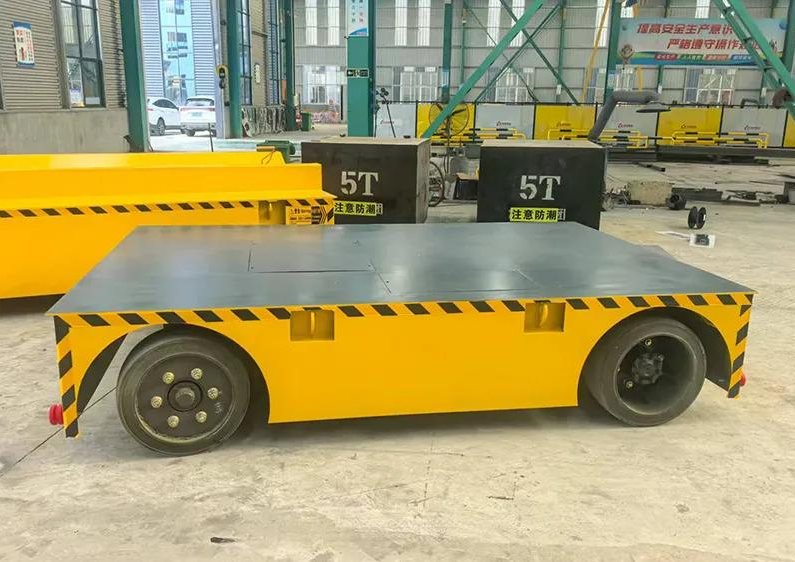
Standard trackless cart
Differential or hydraulic steering for general heavy transfer.
View modelsSteering-wheel omni
Lateral, diagonal and rotation-in-place travel.
View models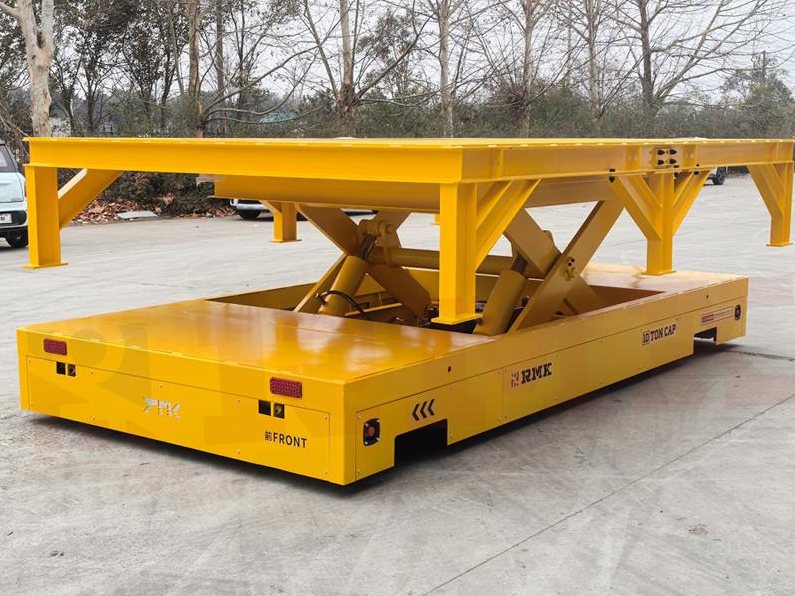
Lifting trackless cart
Hydraulic or scissor lift for docking and height change.
Ask for a spec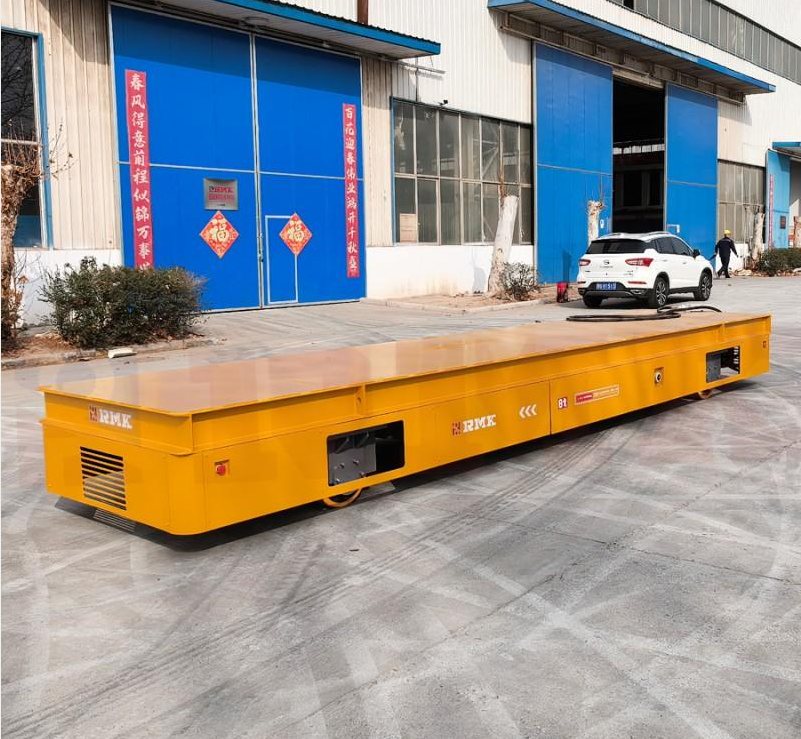
Special-condition custom
High-temperature and explosion-proof, built per site.
Describe your siteModel list
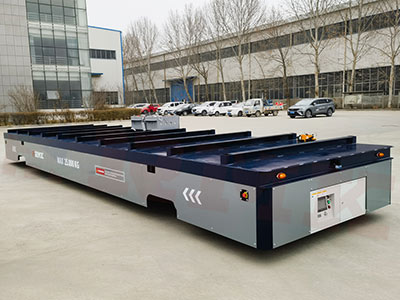
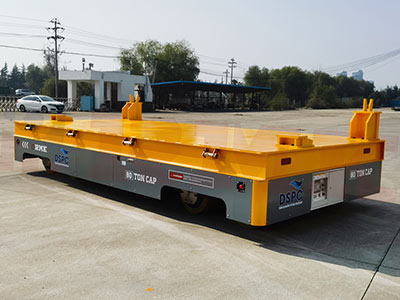
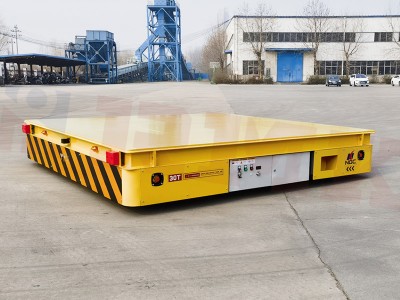
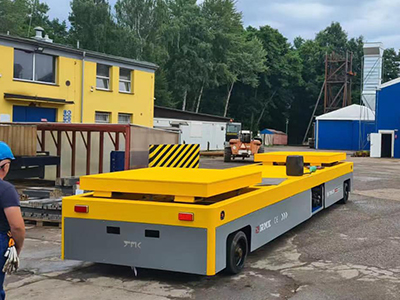
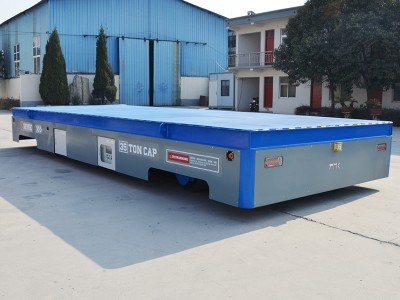
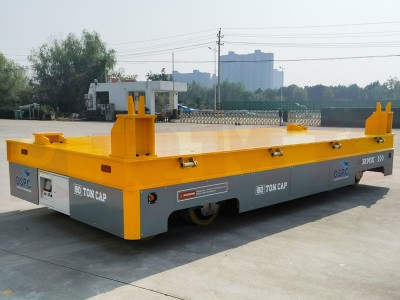
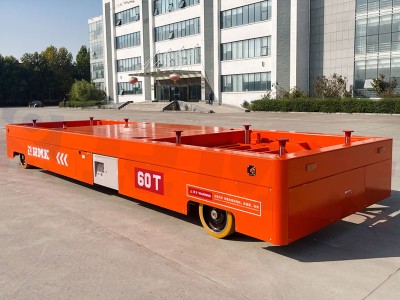
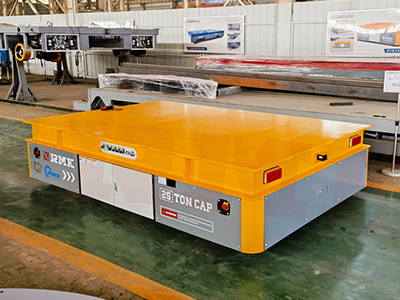
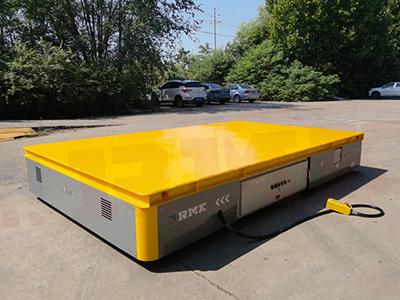
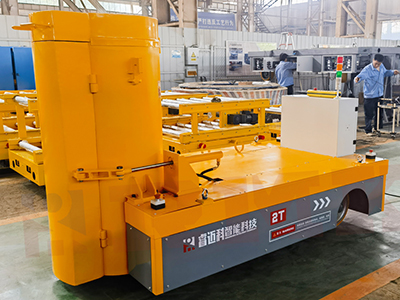
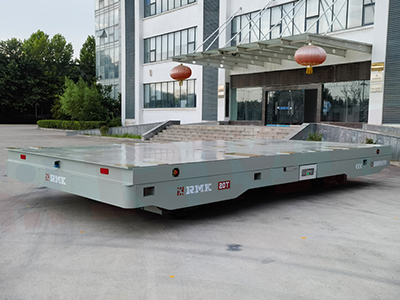
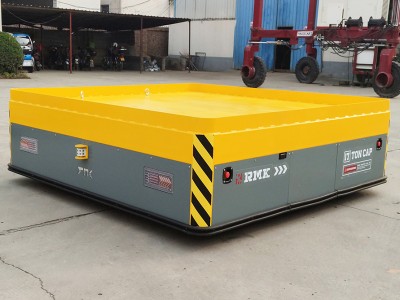
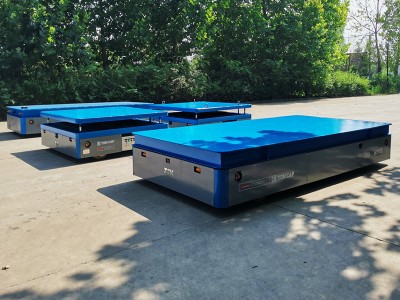
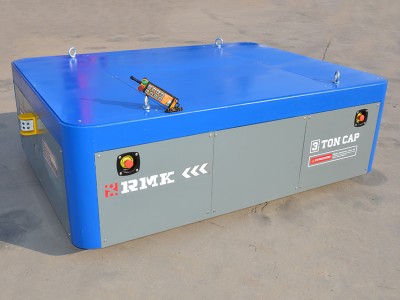
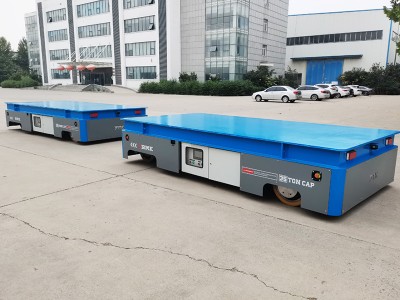
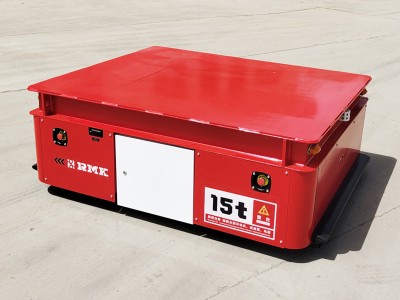
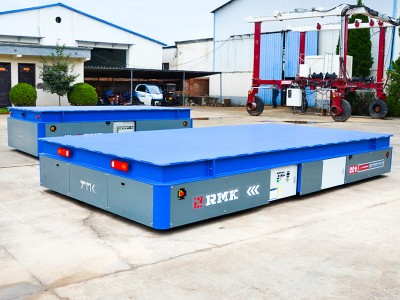
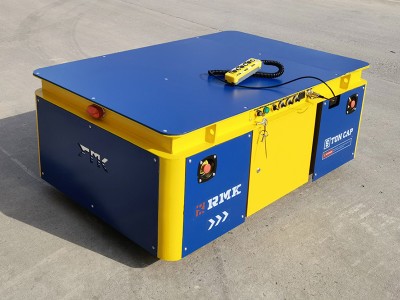
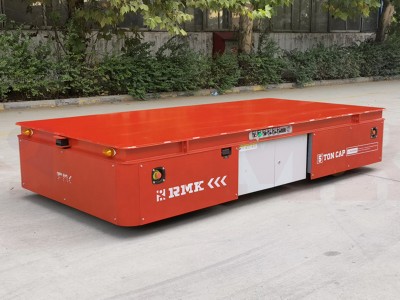
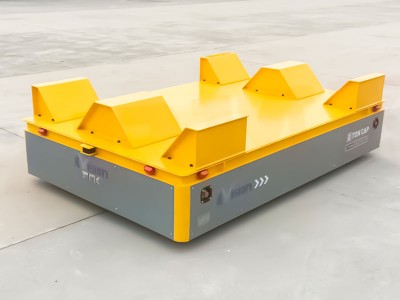
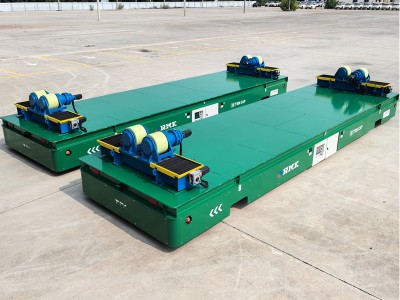
Every card below is a real configuration we have built or quoted, with its own page. If yours is not here, it is because it has not been built yet.
Decision support · honest comparison
The honest answer is that a trackless cart is not always the right purchase. This is the comparison we use internally before quoting.
| Item | Trackless cart | Rail cart | RGV | AGV / AMR |
|---|---|---|---|---|
| Travel | Free steering, no guideway | Fixed rail | Fixed rail, automatic | Laser / SLAM navigation |
| Route change | Easy | Rebuild the track | Rebuild the track | Reconfigure software |
| Typical load | 5–300 t custom | Heavy duty | 20–500 t | 1–20 t standard, larger on custom |
| Steering | 360° / omni optional | Straight, S-curve, arc | Point-to-point on rail | Programmable path |
| Floor | Flat, load-bearing | Track foundation | Track foundation | Flat, clean |
| Automation | Manual, remote; on request | Manual or automatic | Usually automatic | Automatic by default |
| Best fit | Multi-station, changing routes, heavy loads | Fixed heavy corridor | Fixed-route automated logistics | Flexible automated logistics |
Selection detail · five factors
Weight, outline dimensions and whether the weight is evenly distributed. An off-centre or high centre of gravity needs a wider deck and a fresh wheel-load calculation — the most common cause of a spec that looks fine on paper and fails on site.
Measure the narrowest aisle and the space to turn. Hydraulic steering reduces the radius; an omni-wheel model can rotate in place. A dual hydraulic system is available to cut it further.
Concrete, steel plate, epoxy and asphalt all work, but the floor must carry the concentrated wheel load. Polyurethane wheels protect the surface and cut noise — they do not reduce pressure.
5.5–45.3 kWh, typically 4–5 hours per charge. Lead-acid charges in ≤7 h, lithium in ≤5 h. Tell us your shift pattern: two shifts and one shift do not get the same battery.
Standard units run −10 °C to 40 °C at 20–80% RH. Alarm and e-stop are standard; laser avoidance and anti-collision edges are optional. High-temperature or explosive atmospheres must be stated at inquiry.
Our engineers will tell you which applies — even when the answer is not the cart you first asked about.
Typical applications
Multi-device cooperation
In intelligent factories and automated workshops, transfer carts/trolleys must be highly intelligent or AGVizd, and can work with other equipment and operation platforms to realize intelligent manufacturing and fully automaed production. In response to such needs, Remarkable has designed and produced multifunctional transfer cart and multivehicle coordinated operation transfer cart. Various devices can be installed on the countertop of the multifunctional transfer cart and multivehicle coordinated operation transfer cart to fit the intelligent requirements and automated programs in customers' production processes.
Anti-high temperature & Explosion-proof Anti-high temperature & Explosion-proof
In industries such as metallurgy, coal, military, nuclear power, Chemical, sandblasting, spray painting, transfer carts/trolleys usually work in high-temperature conditions, and anti-high temperature & explosion-proof are necessary functions of transfer carts/trolleys. Coping with high temperature environment, Remarkable proposed the following solutions: using anintegral frame structure that is compressive, tensile, and anti-high temperature; installing high load bearing wheels and hot dip galvanizing grille plates with good heat dissipation performance. In order to make a cart/trolley has explosion-proof function, the electric box, wheels, car body and remote controller we have configured for it have reached explosion-proof level.
Complex and special environments
Sometimes, industrial materials need to be transported in complex and special environments, which asks more from transportation tools. Our steering wheel omnidirectional mobile trackless transfer carts and RGV automated rail transfer carts/trolleys (such as the ferry rail transfer trolley and the vertical and horizontal moving automated rail transfer trolley) can solve this kind of problem. The advantages "free and flexible driving in all directions and small turning radius" of the steering wheel omnidirectional mobile trackless transfer cart, the design of "the main vehicle and the sub-vehicle" of the rail ferry transfer trolley and the rail change function of the vertical and horizontal moving automated rail transfer trolley are specially designed for complex and special environments.
Industries · where these carts work
Exported to 56 countries across Europe, the Americas and Southeast Asia — including the United States, Mexico, the Netherlands, Poland, Czech Republic, Switzerland, Italy, Saudi Arabia, Turkey, Singapore, Thailand, Sri Lanka and Mongolia.
 Aerospace equipment
 Nuclear Power
 Shipyard
 Power and Electrical
 Automotive manufacturing
 Buildings, high-speed railway bridges
 Equipment manufacturing
 Steel & Foundry
 Chemical Industry
 Oil & Natural Gas
 New energy
 Research institutions
 Home appliance communication industry
 Animal husbandry
A sample of units shipped in the last two years. More installations and site videos are in the case library.
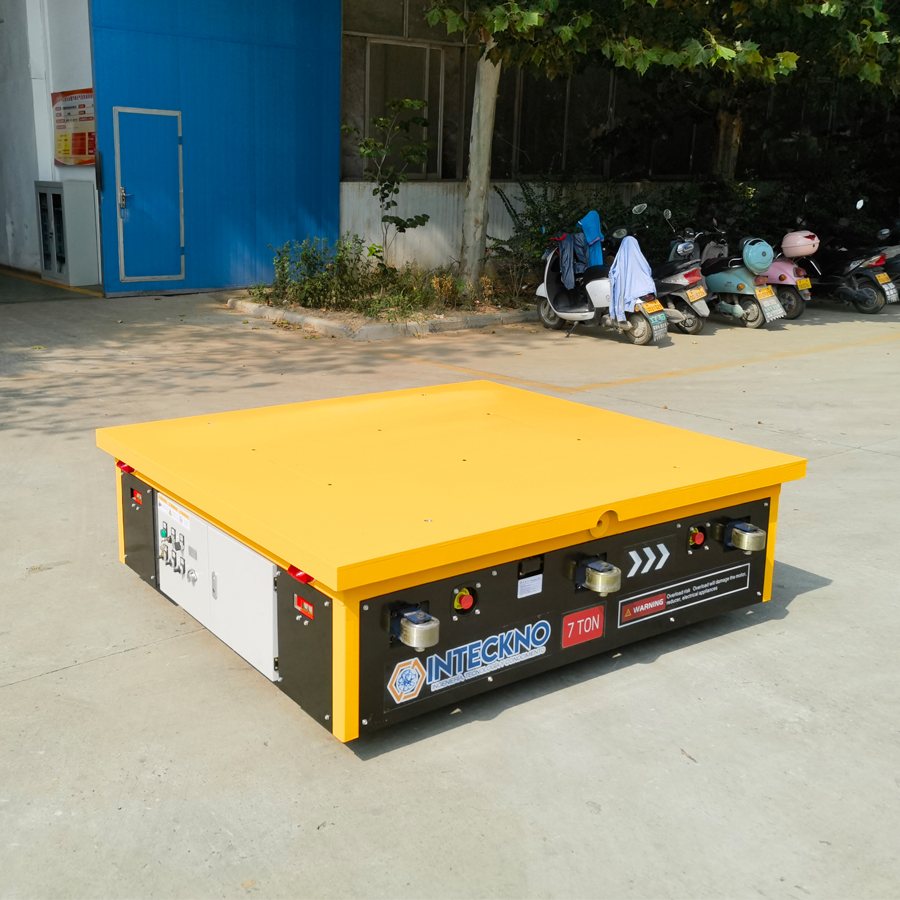
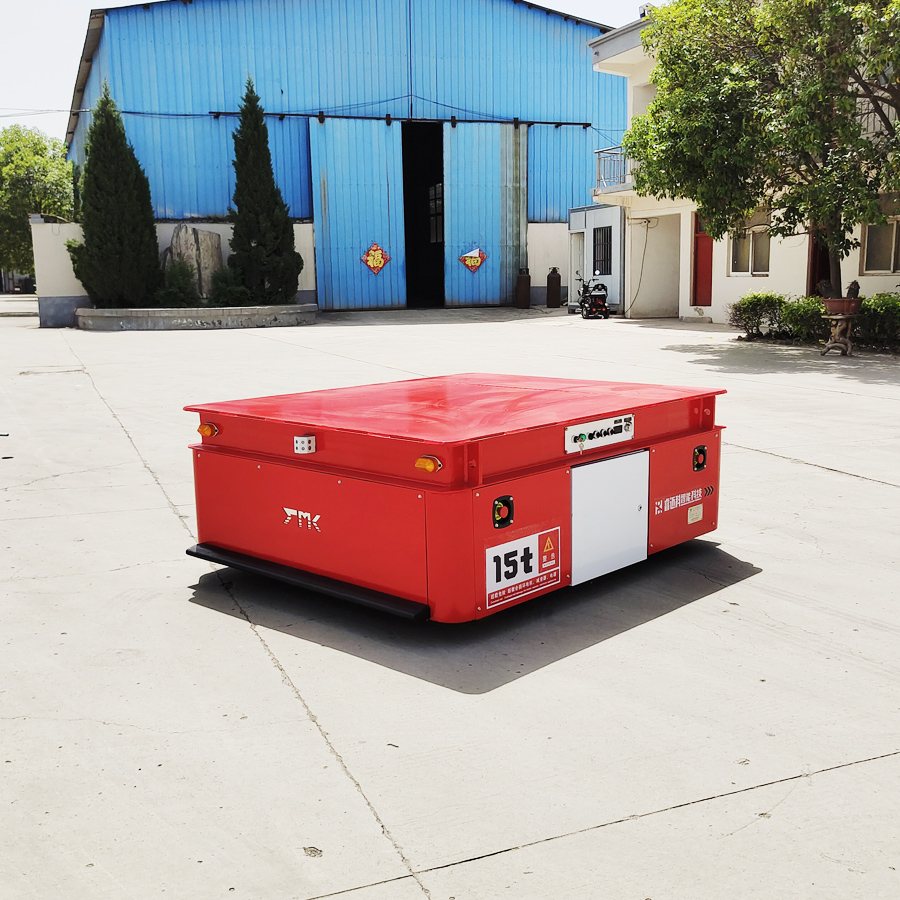
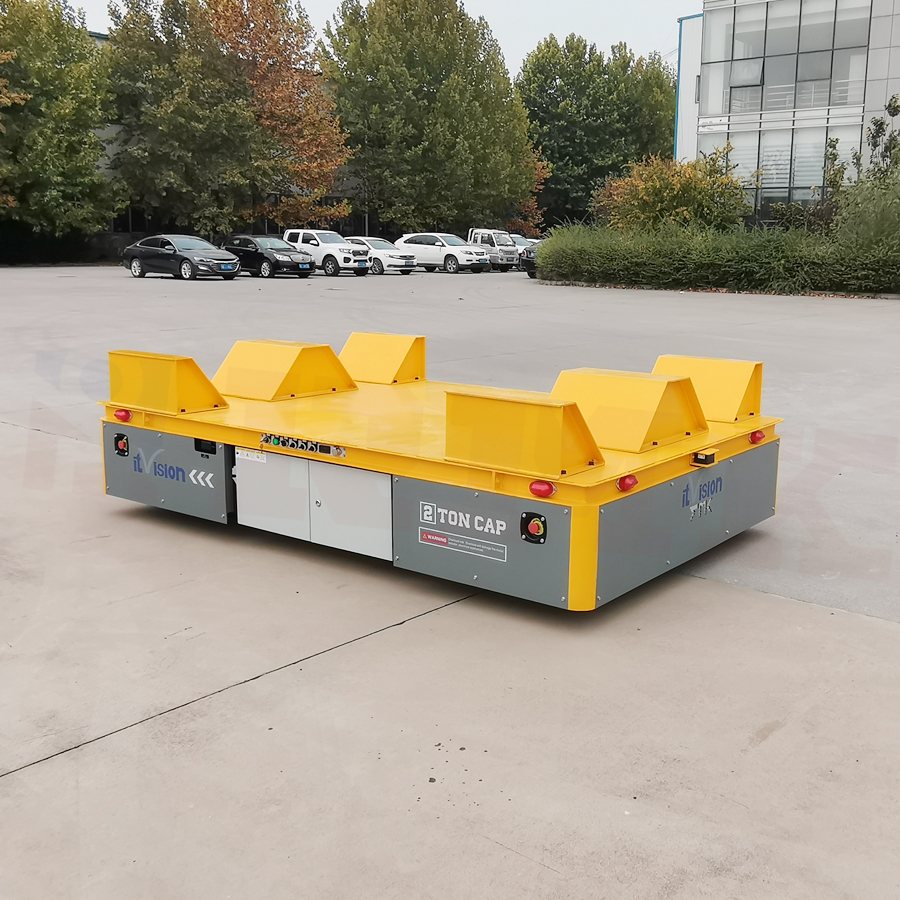
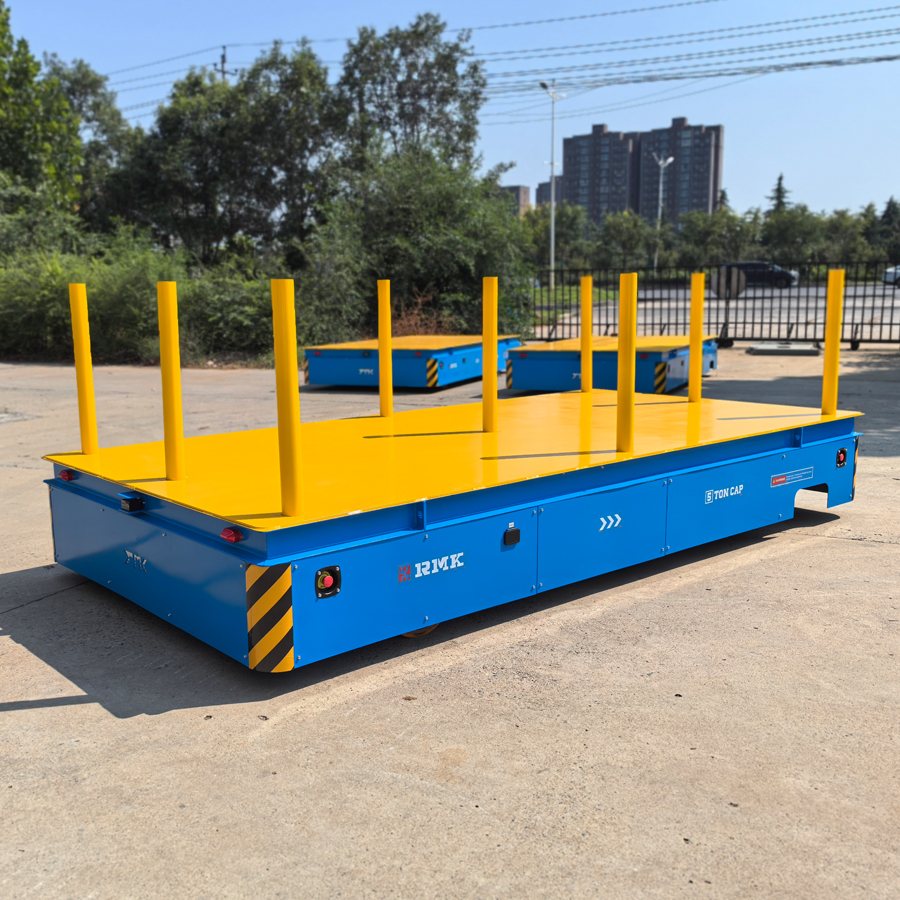
Procurement · lead time, MOQ, quote
Lead time
Standard RWP builds are scheduled at order confirmation. Custom decks and 100 t+ units are quoted with a firm lead time once the drawing is approved — counted from approval, not from inquiry.
MOQ
One unit. Fleet orders and repeat builds are quoted with a shared engineering fee — say so at inquiry, not after the PO.
What moves the number
Capacity, deck size, wheel count, steering type, battery chemistry, explosion-proof scope, and whether a site survey is needed.
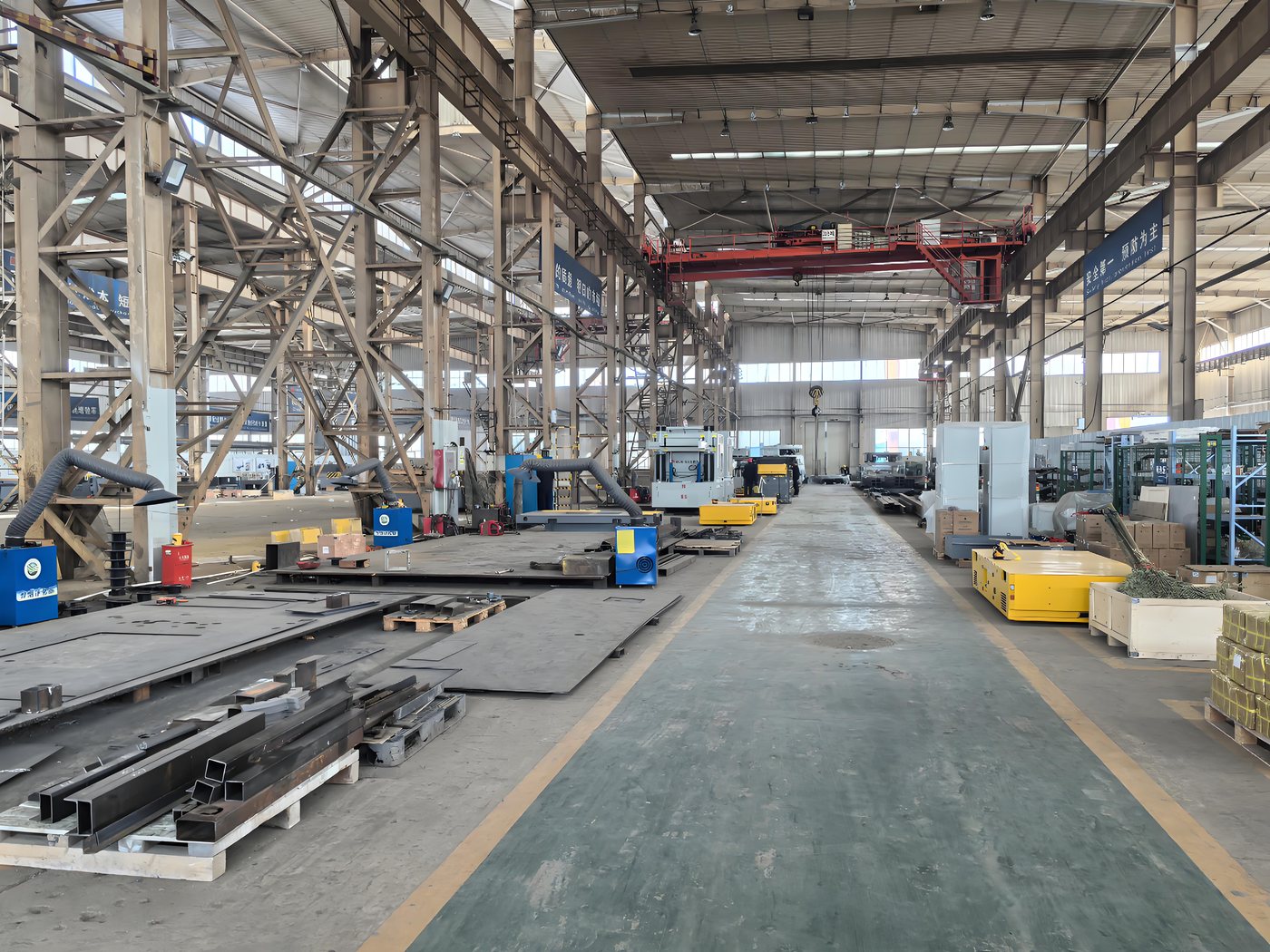
Manufacturing · inquiry to floor
Load, dimensions, floor, route and environment. A sketch or site photo speeds this up.
Wheel load, turning geometry and safety requirements — plus whether a trackless cart suits the job at all.
Suggested layout, parameters and options. Production starts only after you confirm.
Built to the confirmed spec in our own workshop, inspected item by item.
Shipping, installation guidance and after-sales support. Lead time and warranty per project.
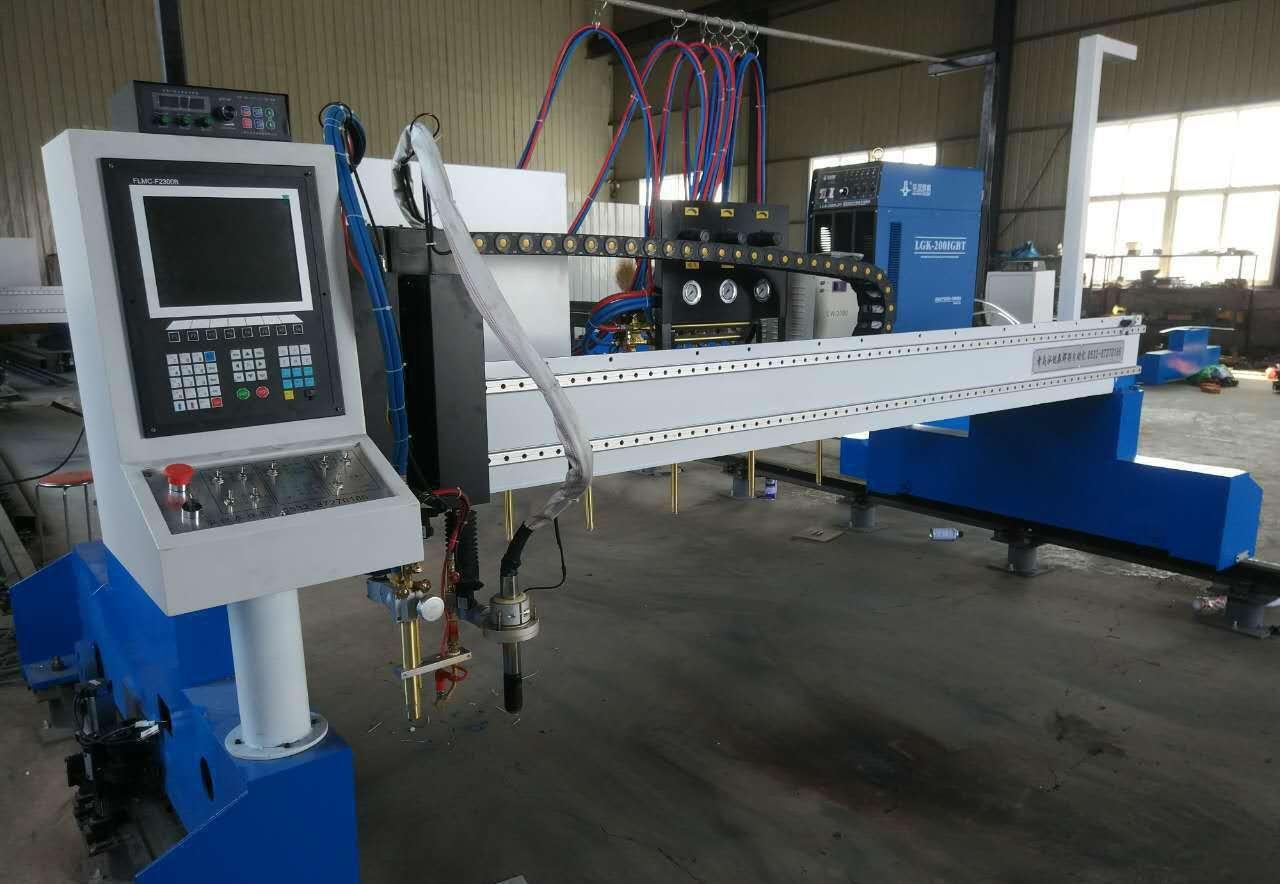
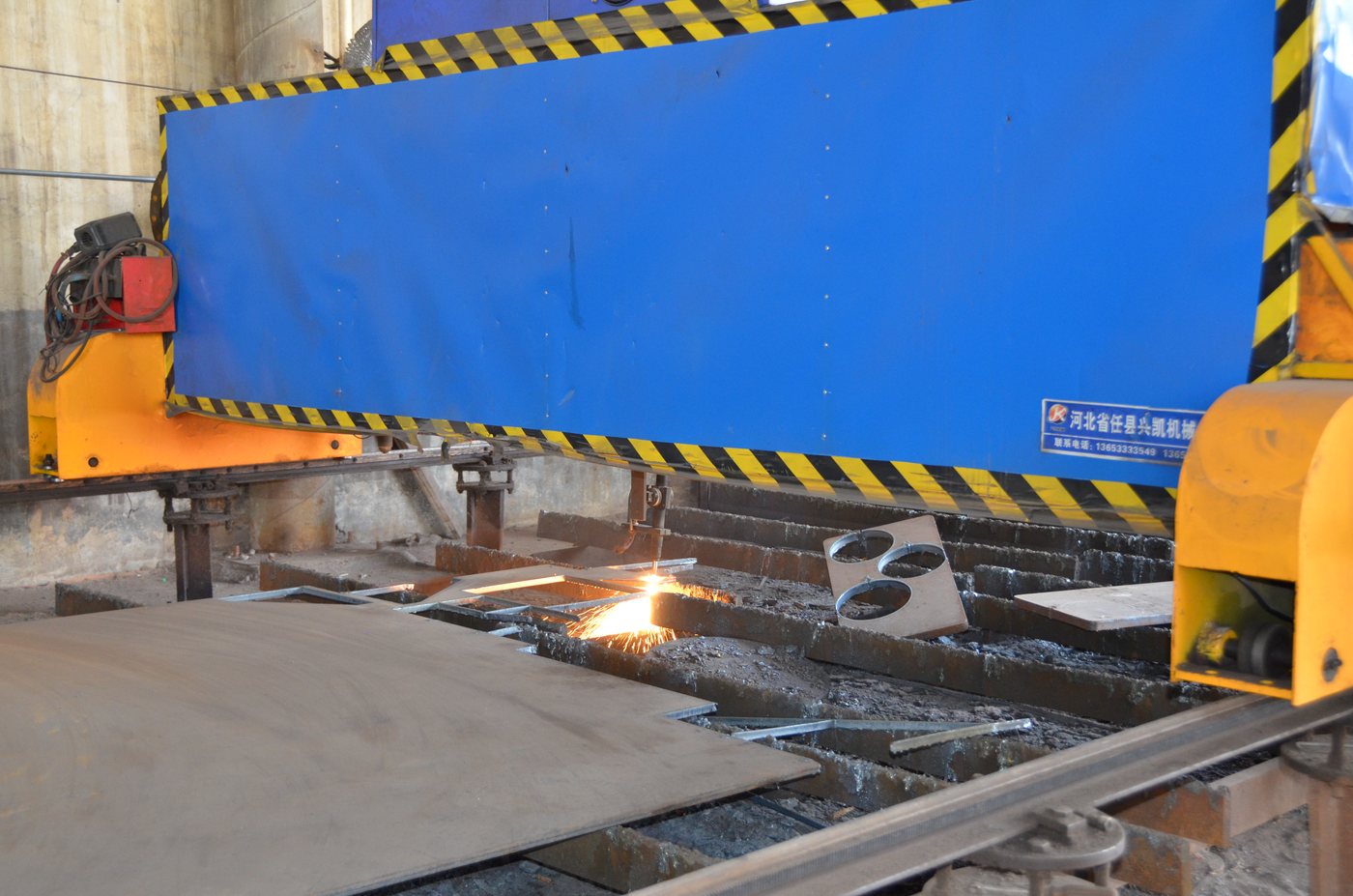
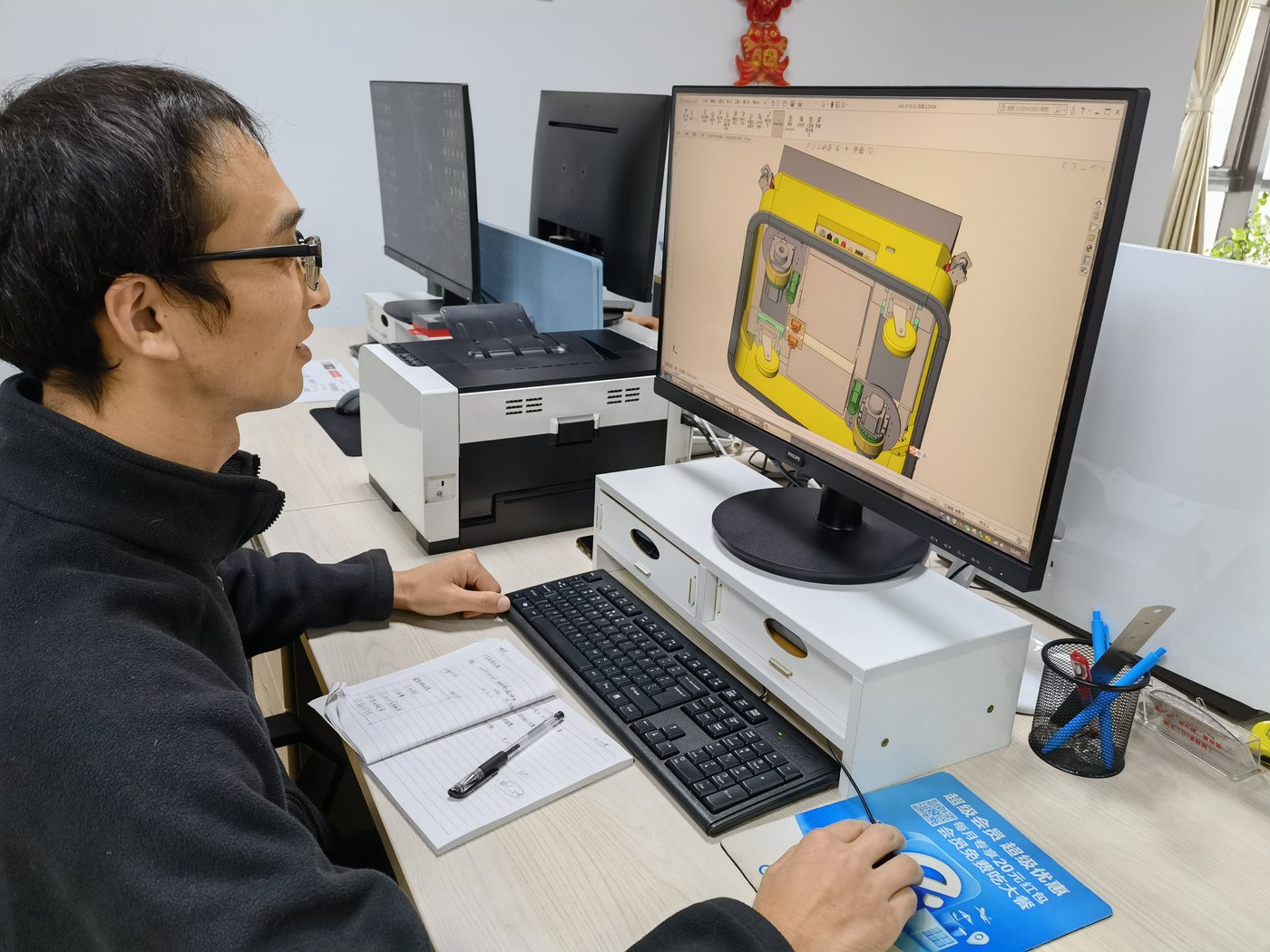
Frame fabrication, wheel assembly and electrical build happen in-house. That is why a non-standard deck, a 300 t frame or an explosion-proof cabinet does not wait in someone else's queue — and why we can say honestly when a modification is not worth doing.
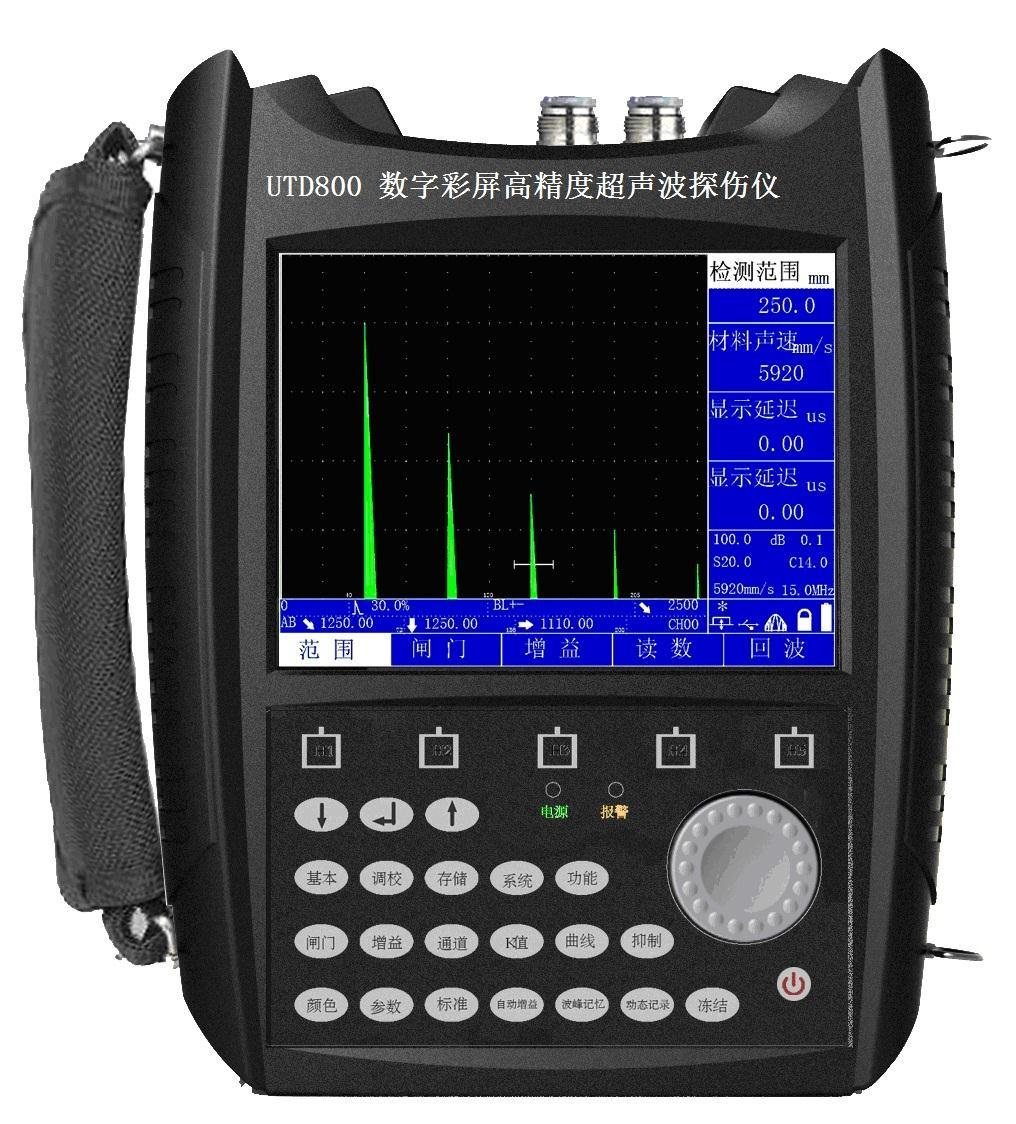
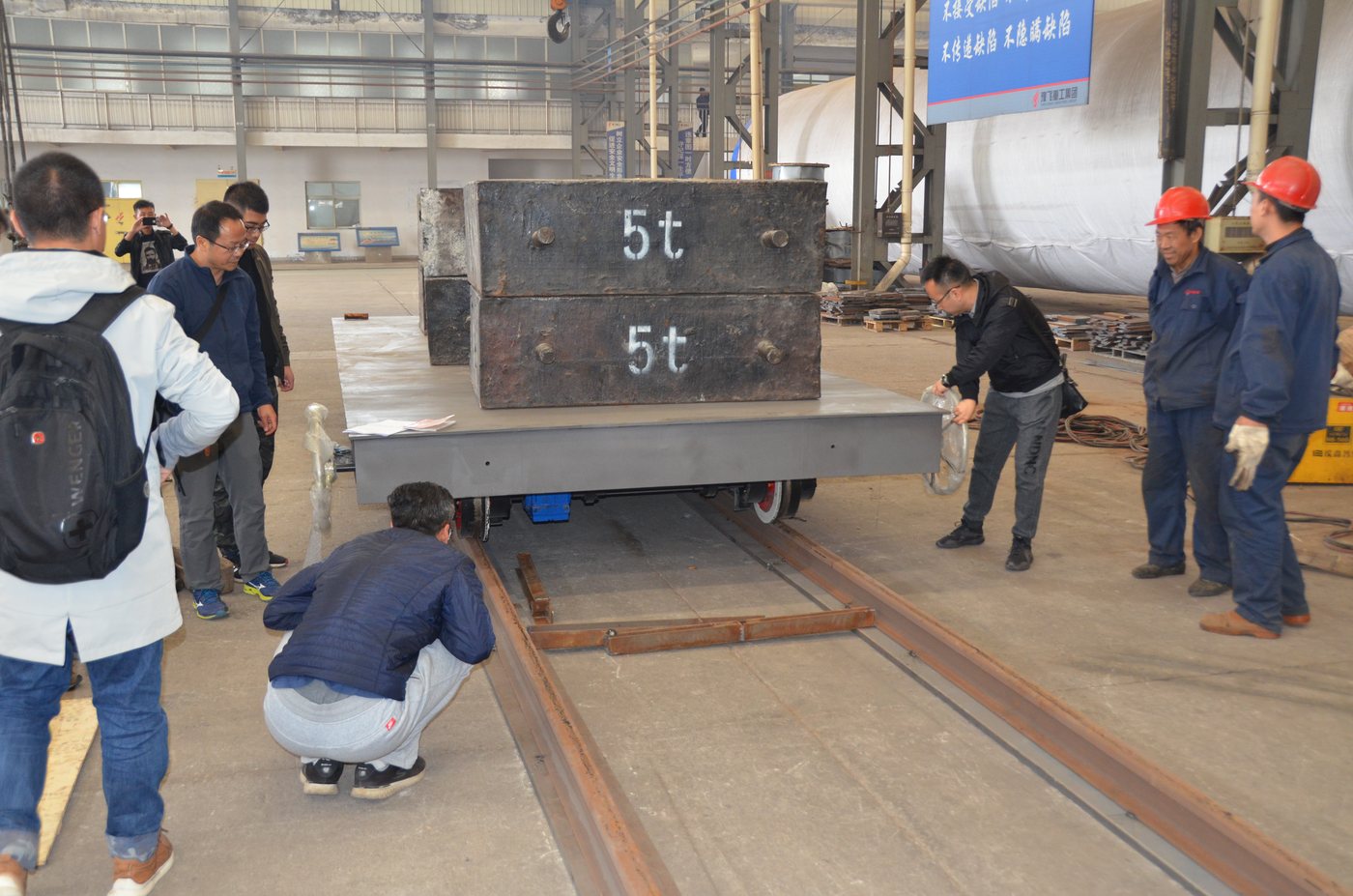
Plate cutting, welding, machining and inspection run under one roof, and every unit is load-tested and function-tested before it leaves — the test record ships with the cart.
FAQ · 10 questions
Send the load, the dimensions, the floor and the route. An engineer will confirm the right configuration — and if a different type of cart is the honest answer, we will say so.